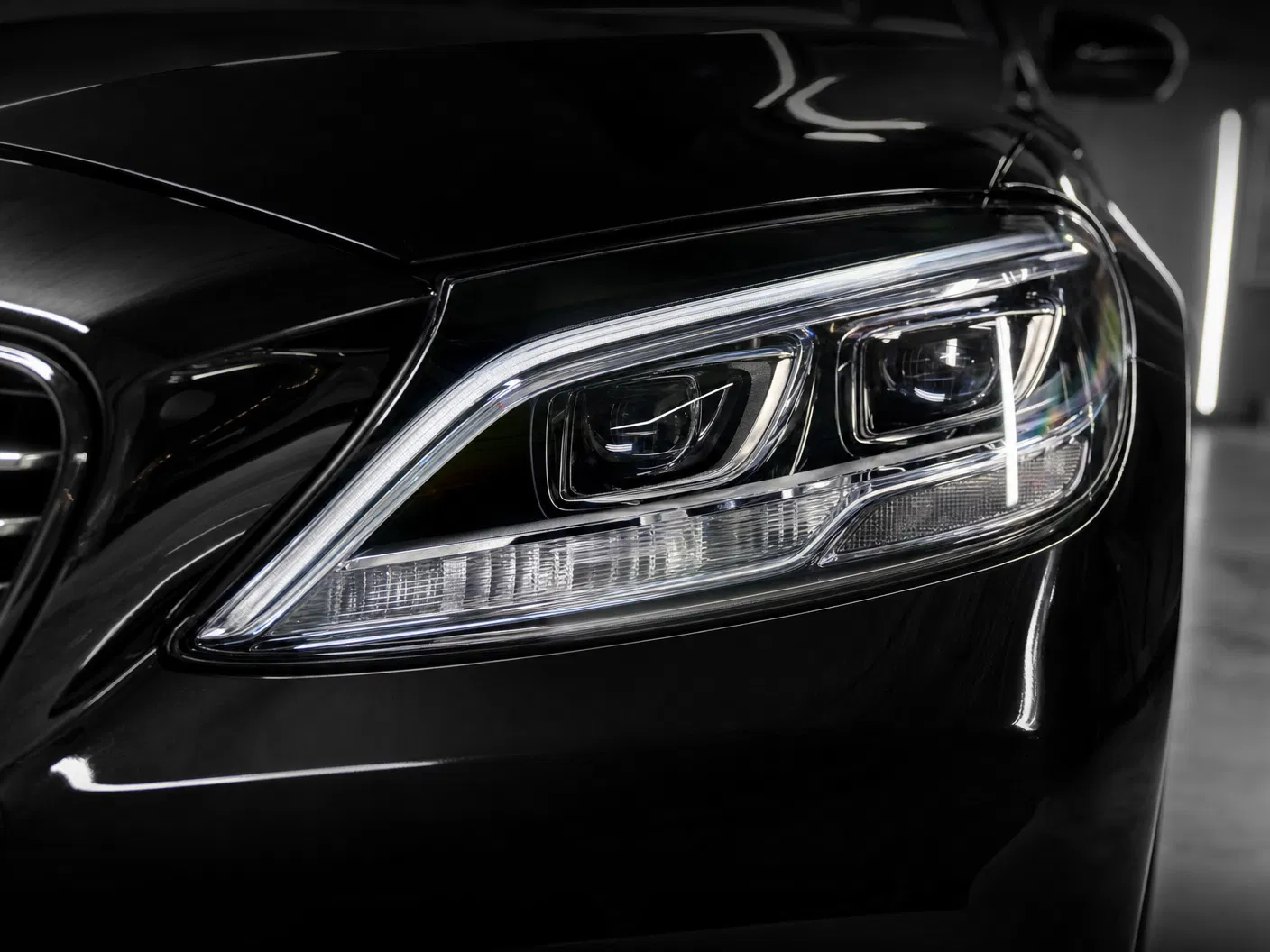
1 Three Different Materials, Three Different Jobs
It's easy to lump these together because they all end up changing the appearance of a headlight, but they're genuinely different products with different strengths:
- PPF (Paint Protection Film) — a thick, optically clear or lightly tinted urethane film, designed first for protection and second for looks. Often self-healing from light scratches with heat.
- Vinyl wrap — a thinner, opaque or semi-opaque adhesive film, designed primarily for changing colour or finish. Excellent for chrome trim and body panels; not designed with headlight-grade optical clarity in mind.
- Tint spray or standard tint film — a coating or thin film designed purely to darken, with protection as an afterthought if it's considered at all.
2 Where Vinyl and Standard Tint Fall Short on Headlights
Vinyl is brilliant for what it's built for — dechroming trim, badges, and body accents, where a flat, opaque, uniform finish is exactly the goal. Wrapped over a curved headlight lens, though, it's a different story: it's harder to fit cleanly around complex curves without stretching or lifting at the edges, it has no self-healing property, and it isn't designed to maintain the level of light transmission a headlight needs to stay road legal and genuinely useful at night.
Cheap tint sprays and generic tint films have their own problems. Many aren't designed for exterior UV exposure and can degrade, bubble, or discolour with time. Because they're not purpose-built for headlights, there's often no clear standard for how much light they block — which is exactly the detail that determines whether a tinted headlight is still road legal.
- Vinyl can lift or stretch at the tight curves of a headlight lens over time
- Neither vinyl nor generic tint film is self-healing
- Cheap tint sprays can bubble, peel, or yellow under UV exposure
- Light-transmission levels are often unclear or untested, risking an MOT or road-legality issue
Where Vinyl Genuinely Wins
None of this makes vinyl a bad product — it's simply the right tool for a different part of the car. For chrome delete, grille surrounds, badges, and trim, vinyl is the correct choice, and it's what we use for exactly that on every dechroming job. The point isn't "vinyl is worse" — it's "vinyl isn't built for a curved, optically critical lens the way PPF is."
3 Why PPF Is Usually Worth the Extra Cost on Headlights
PPF was originally developed for exactly this kind of job: a curved, impact-prone, optically important surface that needs to stay clear and intact for years. That heritage shows up in three practical advantages over headlights specifically:
- Self-healing — light swirl marks and fine scratches from washing or road grit can disappear with warmth from the sun or warm water, something vinyl and tint film simply can't do.
- Genuine impact protection — stone chips and road debris at speed are absorbed by the film rather than pitting the lens underneath, which vinyl and tint sprays aren't built to handle.
- Road-legal clarity by design — clear PPF and light-tinted PPF finishes are made to known light-transmission standards, rather than being a guessing game.
Is it worth paying more for versus a vinyl wrap or a cheap tint film? If the goal is genuine long-term protection and a finish that stays clear, intact, and road legal for years — yes. If the only goal is a quick colour change on a part of the car where optical clarity and impact protection don't matter, vinyl remains the better and more cost-effective choice. Used on the right part of the car, each one earns its place.
Want your headlights protected properly, with a finish that's actually built for the job? We fit clear and light-tinted PPF at your home or driveway, anywhere within 5 miles of North Wembley.
Get a Quote on WhatsApp